
IJF lawyers are independent legal practitioners who may provide affordable or pro bono assistance within an agreed scope. India Justice Foundation is not a law firm, and an enquiry becomes a professional engagement only after a lawyer completes the necessary checks, accepts the matter, and explains the terms to the client.
How the IJF lawyer referral process works
A legal referral connects a person seeking help with an independent lawyer whose location, subject experience, and availability may fit the request. A referral is not a promise that a lawyer will accept the case. Before acceptance, the lawyer may need the names of relevant parties, a short chronology, the current procedural stage, deadlines, and key documents.
- Initial enquiry: the person describes the issue, location, urgency, and type of help sought.
- Basic intake: India Justice Foundation identifies missing information and considers an appropriate route.
- Conflict and capacity check: a lawyer reviews limited details to decide if further discussion is possible.
- Scope confirmation: the lawyer explains the work accepted, communication method, professional fees if any, likely expenses, and exclusions.
- Independent legal service: the lawyer is responsible for advice and representation within the accepted engagement.
- Closure: the client receives a clear account of completed work, remaining steps, documents, and deadlines.
The Foundation's explanation of access-to-justice barriers gives context for the referral work. Readers interested in research and institutional reform can also review the Foundation's law and policy work.
Affordable legal assistance and free legal help are not identical
Affordable legal assistance generally means that the cost or service arrangement is designed to be more manageable for the client. Pro bono assistance means professional work provided without a fee to the client. Statutory free legal aid is delivered through legal services institutions under the Legal Services Authorities Act to eligible people. These routes may overlap in purpose, but they have different decision-makers and terms.
India Justice Foundation may help identify a possible route, but it does not determine statutory eligibility on behalf of NALSA, a state or district legal services authority, or a court committee. The official NALSA FAQ explains eligibility, applications, available services, and the roles of panel lawyers and legal aid defence counsel.
Ask about fees and expenses before work begins
A client should understand any professional fee, court fee, stamp duty, travel expense, filing charge, expert cost, or other expected payment before authorising work. A pro bono engagement may waive the lawyer's professional fee while leaving some third-party expenses to be addressed separately. The lawyer should explain the arrangement rather than leaving the client to infer it from the word referral.
Location and subject fit still need confirmation
Pro bono lawyers may limit work to particular courts, cities, languages, case types, or stages. A Chennai enquiry may require local representation, remote advice, or a referral elsewhere. Give the correct location and forum at intake so the Foundation does not match a matter on topic alone. A lawyer with related experience may still decline because of conflict, workload, urgency, or professional limits.
Information that helps a lawyer assess the matter
- Parties: provide the full names of individuals and organisations involved so a conflict check can be conducted.
- Chronology: list the material events and dates in order, keeping background details brief.
- Current status: identify notices, complaints, hearings, orders, appeals, negotiations, or prior legal advice.
- Deadline: state the exact date and source of any deadline, including the document that mentions it.
- Documents: organise relevant orders, contracts, notices, receipts, messages, and identity records, retaining the originals.
- Objective: say what practical result you seek and what steps have already been attempted.
Do not omit an unfavourable fact because it appears unhelpful. A lawyer needs accurate information to assess risk and advise responsibly. Avoid sending large unlabelled collections of screenshots. A short chronology and a numbered document list usually make the first review more efficient.
Professional independence protects the client
An IJF lawyer acts as an independent professional, not as an employee or spokesperson of India Justice Foundation merely because a referral was made. The lawyer must make professional decisions based on the applicable law, instructions, evidence, forum, and duties owed to the client and the justice system.
Confidentiality starts with careful intake
People seeking help should use the designated contact channel and ask how sensitive records will be handled. India Justice Foundation should receive only the information needed to manage intake or referral. Once a lawyer accepts the engagement, the lawyer should explain how communications, documents, and authorised sharing will work.
No outcome can be guaranteed
A lawyer can explain options, procedure, strengths, weaknesses, and risk. The outcome may depend on contested facts, evidence, statutory limits, procedural decisions, settlement choices, and an independent court or authority. Claims of certain victory are not a sound basis for choosing legal help.
Current advisory board member
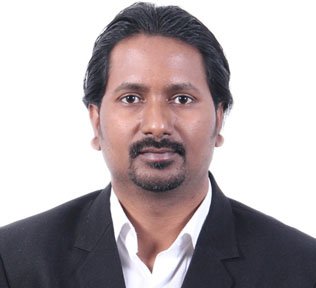
GR Rajesh Kumar, Bengaluru
GR Rajesh Kumar is identified by India Justice Foundation as a qualified legal practitioner and consultant based in Bengaluru. His listed interests include cyber law, data protection, intellectual property, contract, family, business, employment, and criminal litigation. Availability, scope, jurisdiction, and suitability for a specific matter must be confirmed through intake rather than assumed from this profile.
Request a consultation or referral
Email info@indiajusticefoundation.org with your city, a brief chronology, the parties' names, the current stage, any deadline, and the help you are seeking. Do not send original records. The Foundation can review the request for a possible referral or explain another available route, while the lawyer remains responsible for accepting and defining any professional engagement.